

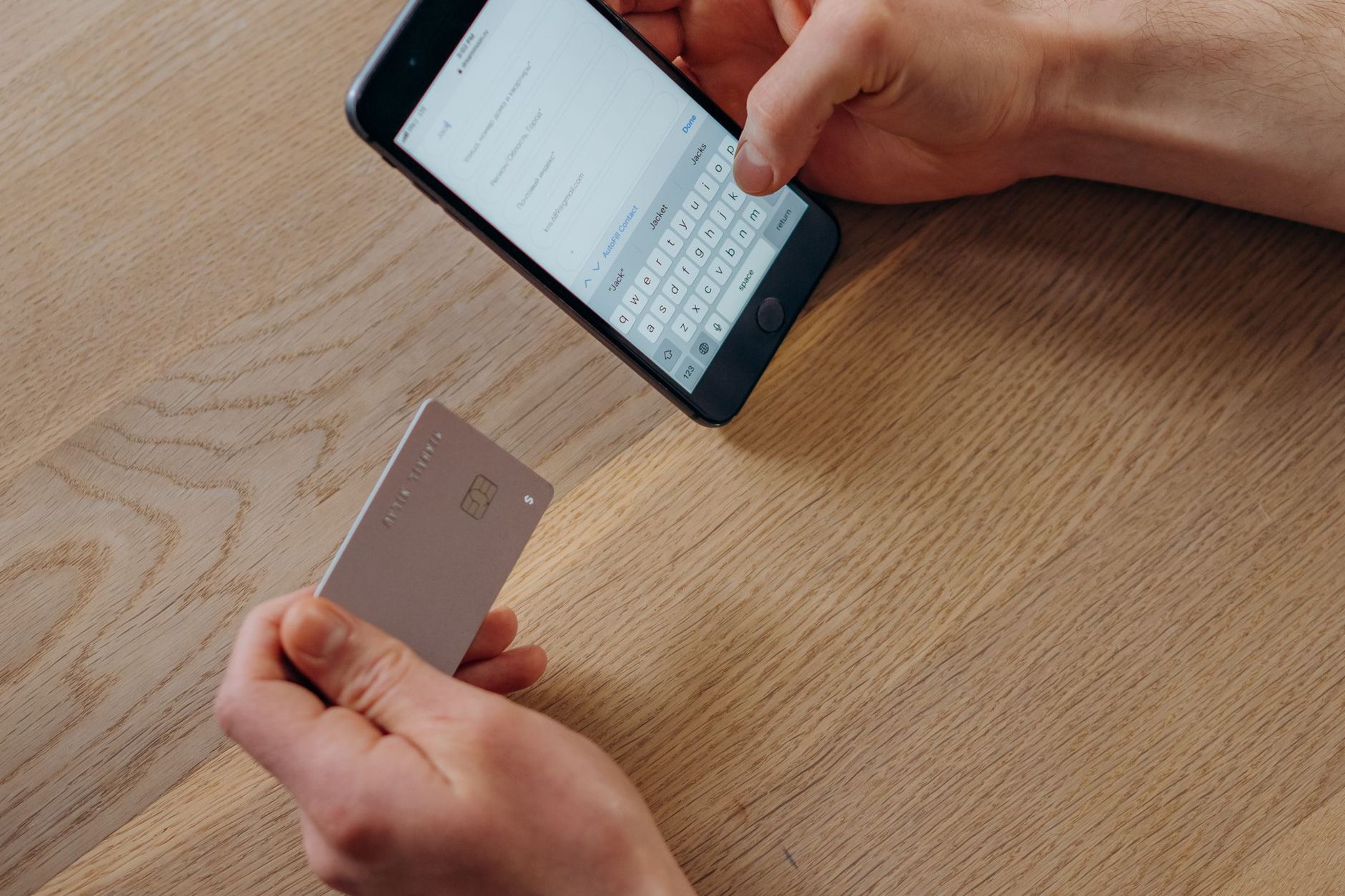
When you have 10+ cards like I do (I know, I know), there's always that one card sitting in the drawer doing absolutely nothing. No spending, no bonus left to chase, just vibes. And it's so tempting to clean house and close it.
But closing a card isn't as harmless as it feels. So before you call the bank, here's what actually happens.
Does closing a credit card hurt your credit score?
It can, and the main reason is utilization.
Utilization is how much of your available credit you're using, and it's one of the biggest factors in your score. When you close a card, its credit limit disappears from the math, but your balances on the other cards don't.
Quick example. Say you have two cards with a $5,000 limit each, and $2,000 in balances between them:
- Both cards open: $2,000 / $10,000 = 20% utilization
- Close the empty one: $2,000 / $5,000 = 40% utilization
Same debt, same spending, and your utilization just doubled. That's the part that sneaks up on people.
If you pay every card to $0 each month, this matters a lot less. If you carry balances, it matters a lot.
Does a closed credit card stay on your credit report?
Yes. A card you close in good standing generally stays on your credit report for up to 10 years, and it keeps counting toward the age of your credit history during that time.
So the "closing my oldest card will wreck my credit age tomorrow" fear is mostly a myth. The utilization hit is the real, immediate one.
When should you close a credit card?
Closing makes sense when:
- It has an annual fee you can't justify, and the bank won't downgrade it or give you a retention offer. (Ask me how I learned to check this. Actually, here's the $150 story.)
- It tempts you to overspend. Your peace of mind is worth more than a few points.
- You're not applying for anything big soon, like a mortgage or car loan, and your utilization will still look fine without it.
When should you keep it open?
Keep it when:
- It has no annual fee. An open, no-fee card with a $0 balance is basically free utilization padding.
- You carry balances on other cards. Closing it pushes your utilization up right when you can least afford it.
- You're about to apply for a loan. Don't shake things up in the months before a big application.
The option most people forget: downgrade instead
If the problem is the annual fee, call the issuer and ask for a product change to a no-fee card from the same bank. You usually keep the same account and credit line, your history keeps aging, and the fee goes away.
Ask for a retention offer while you're on the phone too. Worst case they say no.
What happens if you don't use your credit card?
Here's the sneaky one. If a card just sits in the drawer, the bank can decide it's inactive and either lower your credit limit or close the account. There's no standard timeline, every bank sets its own, and they don't have to warn you first. Sometimes you only find out after it happens.
Either way, you lose available credit, which can push your utilization up, the same as if you'd closed the card yourself.
A few other things worth knowing:
- There's no fee for not using it. Inactivity fees on credit cards have been banned since 2010. But an annual fee still gets charged whether you use the card or not.
- It's easy to miss problems. A card you never look at is also a card where a fraudulent charge can sit unnoticed.
- Using it every few months is usually enough. Experian says using a card at least once every three months is often enough to keep it open and active.
The easy fix: put one small recurring charge on each card you want to keep (a streaming subscription works great), set autopay for the statement balance, and forget about it. The card stays active, the balance gets paid, done. Just glance at the statement every now and then.
The quick version
- No fee, no temptation? Keep it open and give it a tiny recurring charge.
- Annual fee you don't want? Ask for a downgrade or retention offer before you cancel.
- Carrying balances or applying for a loan soon? Hold off on closing anything.
With this many cards I can't keep all of this in my head, which is why Cardinate shows every card's limit, utilization and annual fee date in one place. Before you close anything, check what your overall utilization would look like without that card. If the number jumps, the card stays.
Sources
- Experian: Closed accounts and your credit history
- Experian: When to close credit cards with a zero balance
- Experian: What happens if I don't use my credit card?
- Capital One: What happens if you don't use your credit card?
Frequently asked questions
Does closing a credit card hurt your credit score?
It can. Closing a card removes its limit from your available credit, which raises your utilization if you carry balances on other cards. Utilization is one of the biggest factors in your score.
How long does a closed credit card stay on your credit report?
A card closed in good standing generally stays on your credit report for up to 10 years and keeps counting toward your credit history during that time.
Is it better to downgrade or cancel a credit card?
If you want to avoid an annual fee, a downgrade (product change) to a no-fee card from the same issuer usually keeps your account and credit line open, so your utilization and history are unaffected.
What happens if I don't use my credit card?
The issuer may treat the account as inactive and lower your credit limit or close it. There's no standard timeline, and issuers don't have to warn you first. Losing that available credit can raise your utilization.
How often do I need to use a credit card to keep it open?
There's no universal rule, but Experian says using a card at least once every three months is often enough to keep it active. A small recurring charge on autopay is an easy way to do it.
Is there a fee for not using a credit card?
No. Inactivity fees on credit cards have been banned since 2010. An annual fee still applies whether or not you use the card.
Keep going
This post is for general information only and isn't financial, legal or tax advice. I'm not a financial advisor. Card terms, fees and rates change and vary by issuer, so check the details with your card issuer before making a decision.